




The Trap of Endless Collection
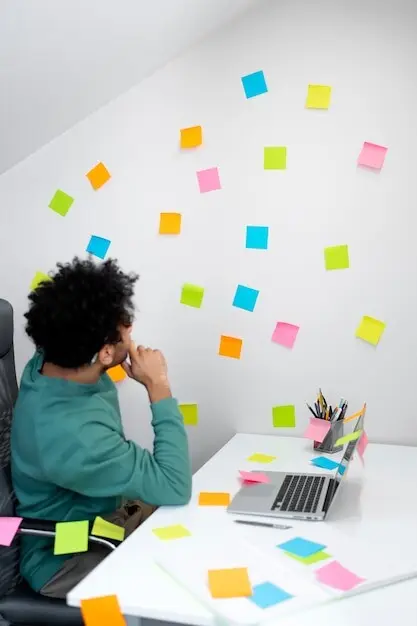
Clipping articles feels productive but rarely changes behavior. Limit capture to a daily five‑minute window, then convert at least one highlight into a question you can answer from memory. If it matters, design a tiny experiment. When you regularly turn inputs into outputs, your library becomes a springboard rather than a storage unit you dread opening.

Beating Perfectionism with Timeboxing
Perfectionism disguises fear as standards. Fight it with strict timeboxes and visible drafts. A rough, time‑bound review beats a pristine plan never executed. Treat each loop as a prototype of your future self’s practice. Small, imperfect iterations compound, while waiting for ideal conditions quietly trains procrastination to win every important decision.
Recovering After You Fall Off
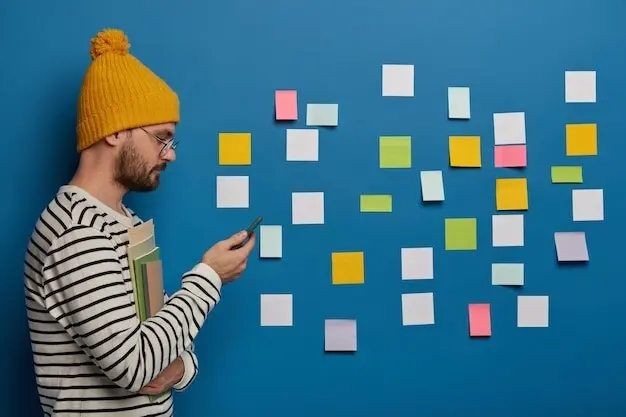
When you miss sessions, do not “catch up” everything. Restart with the next smallest review, celebrate the return, and trim scope for a week. Archive stale commitments without guilt. Consistency grows from forgiving relaunches, not heroic marathons. Your routine is a relationship; speak to it kindly, and it will meet you where you are.